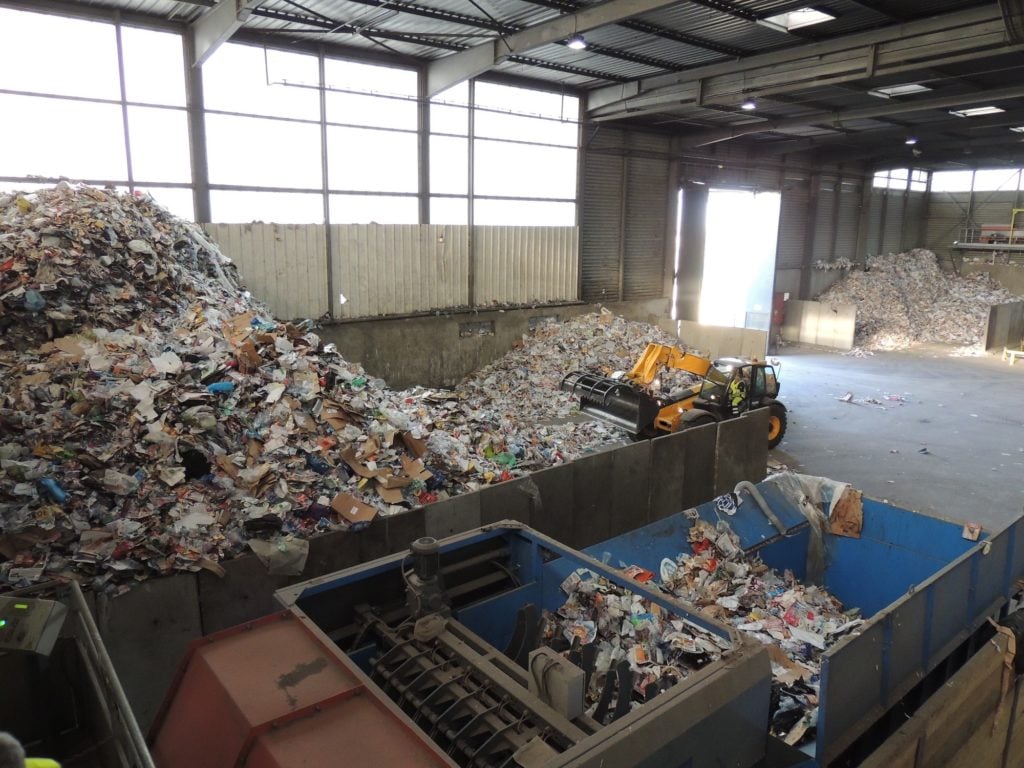
Recycling centres are heavy material handling environments where trucks, loaders, balers, conveyors, and workers operate together in a demanding setting. Material arrives continuously, heavy machinery sorts and processes it, and workers move on foot around the operation, often in dusty, cluttered conditions where awareness is limited.
Verge Safety Barriers works with recycling and waste management operators across Australia to put the right physical controls in place. Separating workers from machinery and vehicle movement, protecting processing equipment, and defining safe zones in an environment dominated by heavy material handling.
A recycling centre combines several serious hazards. Trucks tip and collect material. Front-end loaders and excavators move material around the site. Balers, conveyors, and sorting equipment process material with powerful, dangerous moving parts. And workers move on foot around all of this, sorting material, operating equipment, and carrying out maintenance.
The recycling environment heightens the risk. The sites are often cluttered with material, limiting sightlines and movement space. Dust and noise reduce awareness. And the constant movement of heavy machinery means that the risk of a worker being struck, or being caught in processing equipment, is ever-present.
Australian WHS legislation requires recycling operators to control these hazards with effective physical measures, including guarding around processing equipment and separation between machinery and personnel. Barriers and bollards define machinery and vehicle zones, create exclusion areas around processing equipment, and protect the workers who operate in this demanding environment.
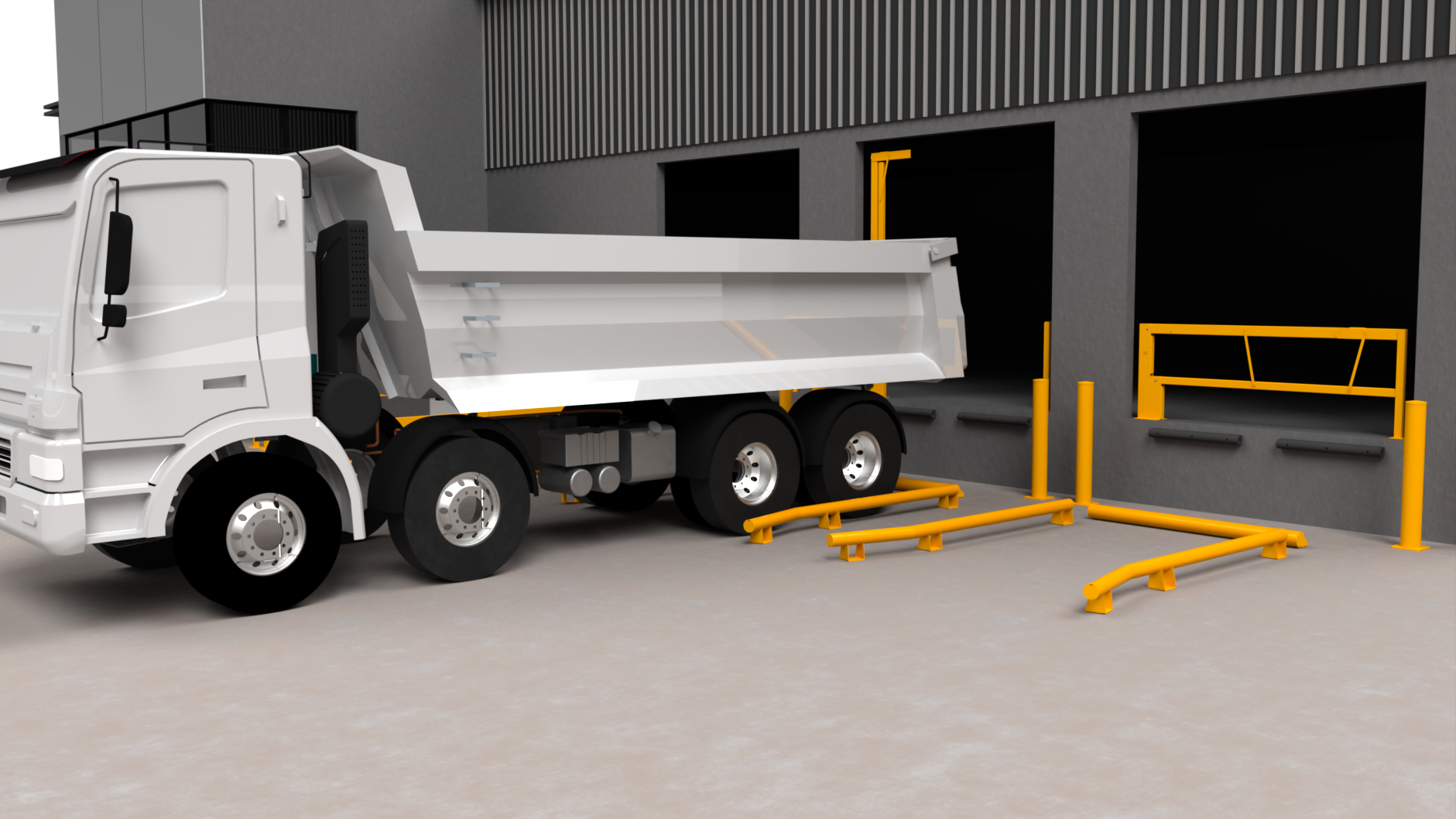
The tipping floor where trucks deliver material sees heavy vehicles reversing and tipping alongside loaders moving the material. Barriers and bollards define the truck and loader zones, protect infrastructure, and keep workers separated from the heavy vehicle movement in the receival area.
Sorting lines, balers, and conveyors present serious contact and entanglement hazards. Barriers and Hy-Wall systems create exclusion zones around this equipment, keeping workers at a safe distance from the dangerous moving parts while maintaining the access needed for operation and maintenance.
Front-end loaders and excavators move material across the site in a continuous cycle. HD Barriers and bollards define the machinery operating zones, separate them from pedestrian areas, and protect infrastructure from the heavy machinery movement that dominates the floor.
Stored bales and processed material are heavy and can be unstable. Barriers and bollards protect material storage areas, define forklift and loader approach paths, and reduce the risk of a collapse in areas where workers may be present.
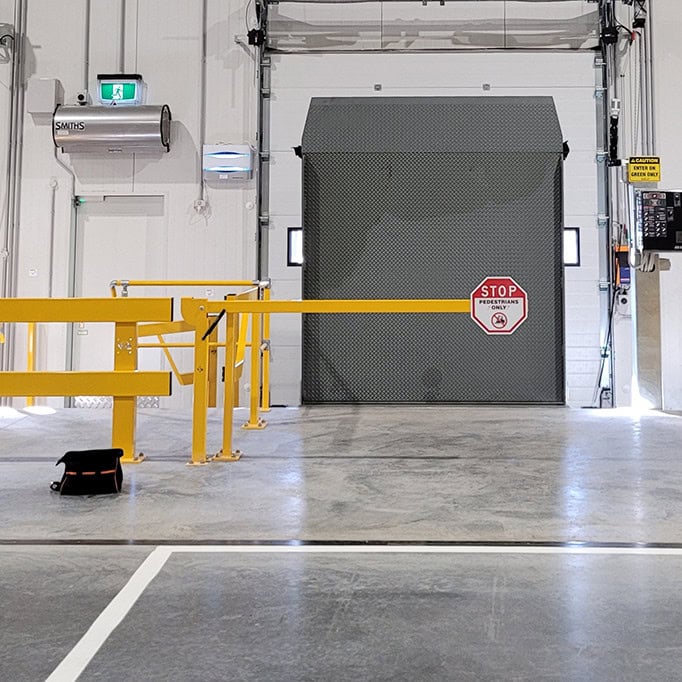
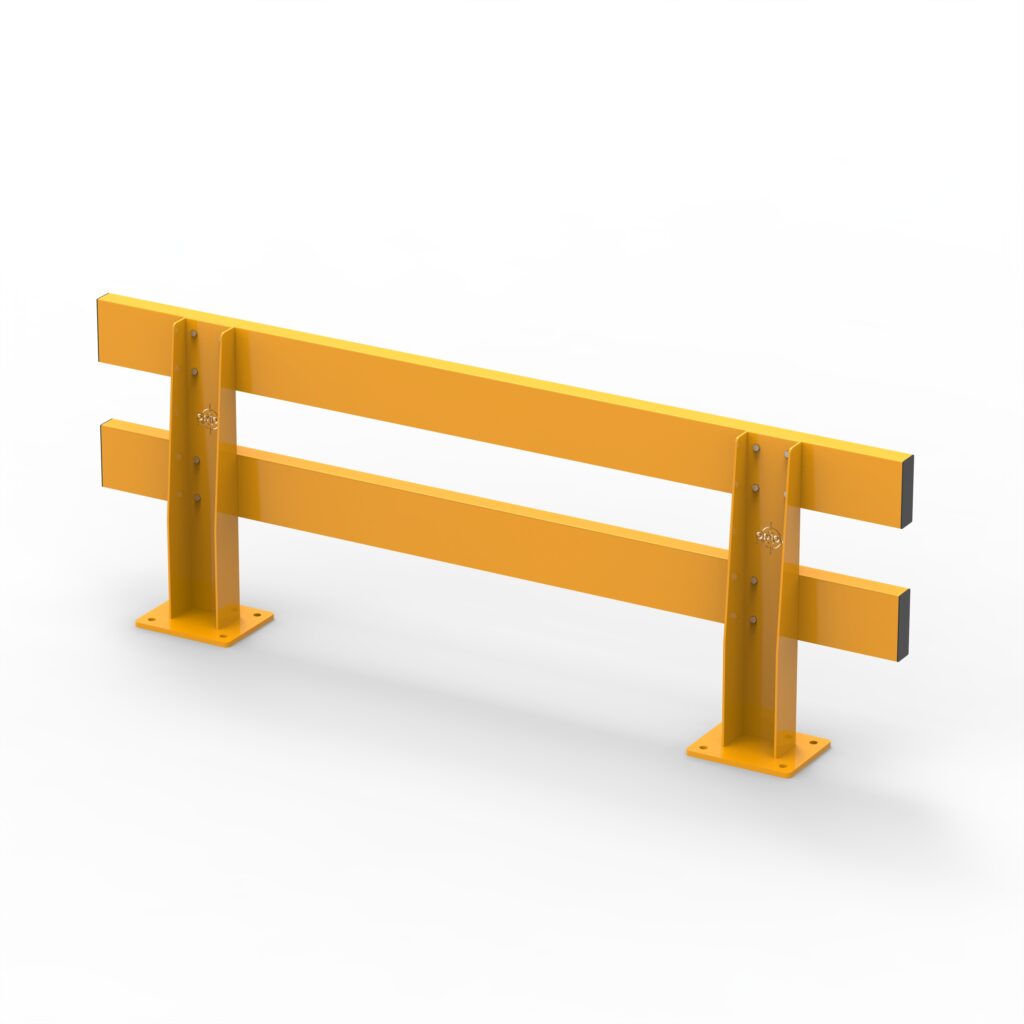
Workers need protected routes around the centre that keep them clear of machinery and vehicle movement. ECO-Rail and barriers define pedestrian walkways and access routes, creating safe paths through a site dominated by heavy material handling.
The weighbridge and site entry manage the flow of trucks in and out of the centre. Bollards and barriers guide trucks through the weighbridge, protect the entry infrastructure, and define a controlled approach that manages vehicle flow at the site entry.
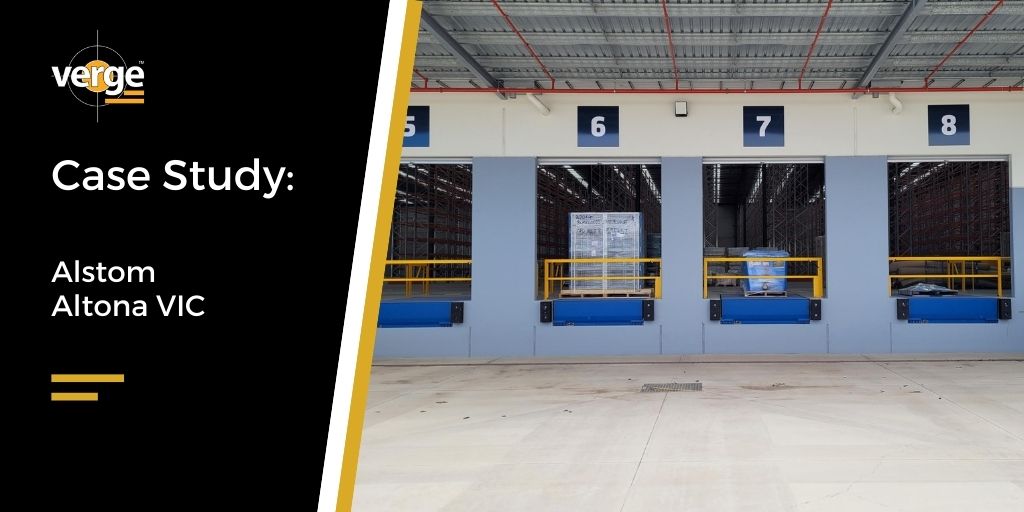
Alstom expanded their Australian operations with a new 7,500 sqm facility dedicated to storage and distribution of spare parts. As a global company with over 60,000 personnel and high standards for employee safety, Alstom required a complete safety barrier package prior to their go-live date. Verge consulted on the layout, manufactured and installed a full suite of standard and custom solutions within a short timeframe, including Driver Safety Zone Kits for visiting delivery drivers, Dock-PRO gates, Eco-Rail handrails, V-Gates and column protectors.
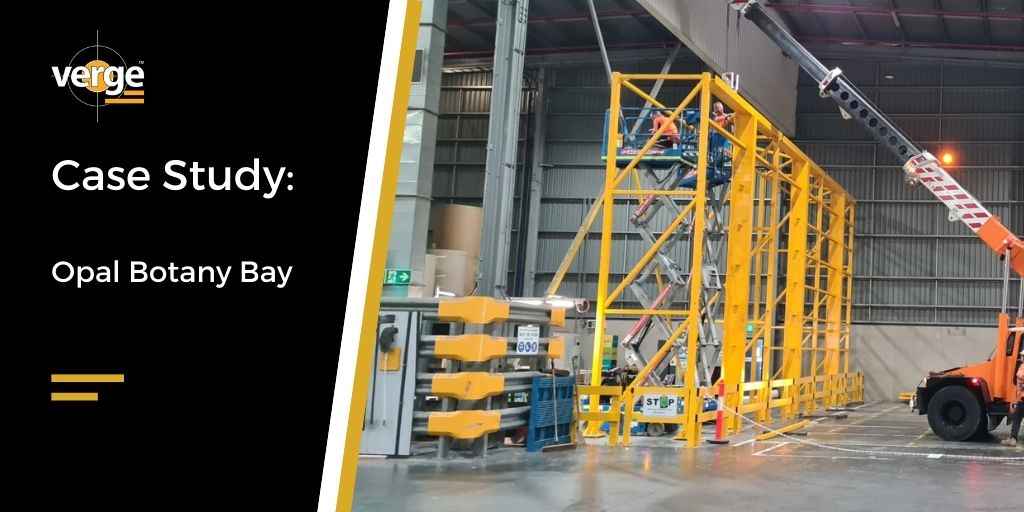
Opal’s warehouse stored bulk paper rolls weighing up to 3,500 kg, stacked three and four levels high in an area adjacent to a truck driver safe zone. The risk of a roll toppling into the driver zone created a potential crush injury hazard. After evaluating options including reducing stack heights (which would have cost valuable warehouse capacity), Verge designed and constructed a 7-metre high topple barrier 14.5 metres long using the Hy-Wall system. The structure was erected in 1.5 days with minimal disruption. Both the warehouse capacity and driver safety zone were preserved.
Every Verge product is manufactured at our Glendenning, NSW facility, meaning faster delivery, local technical support, and products designed specifically for Australian conditions and WHS compliance requirements.
Recycling centres are abrasive, dusty, high-impact environments. Verge HD Barriers and Hy-Wall systems are engineered to withstand these conditions and the heavy machinery contact of a material handling operation, providing protection that lasts.
Verge products are designed to meet Australian Work Health and Safety standards, helping recycling operators document their hazard controls and demonstrate duty of care to regulators and insurers.
Recycling centre layouts change as processing lines and material flows evolve. Verge's modular product range can be reconfigured, relocated, and extended as the operation changes, without replacing existing infrastructure.
Local manufacturing means we can respond quickly when a safety gap needs to be addressed, without waiting on international supply chains or extended lead times.
Every recycling centre has a different layout, processing setup, and material flow. Whether you need to create exclusion zones around processing equipment, define loader operating zones, or protect worker routes, Verge can help you find the right solution.
Contact us today for a free site assessment and quote.
*Applies to online orders only. *Cannot be used in conjunction with any other offer **Must purchase within 3 months of receiving the voucher ***Minimum order $1000
"*" indicates required fields
If you need assistance with selecting a product, would like a quote or want to ask a question please call our friendly team on 1800 765 539