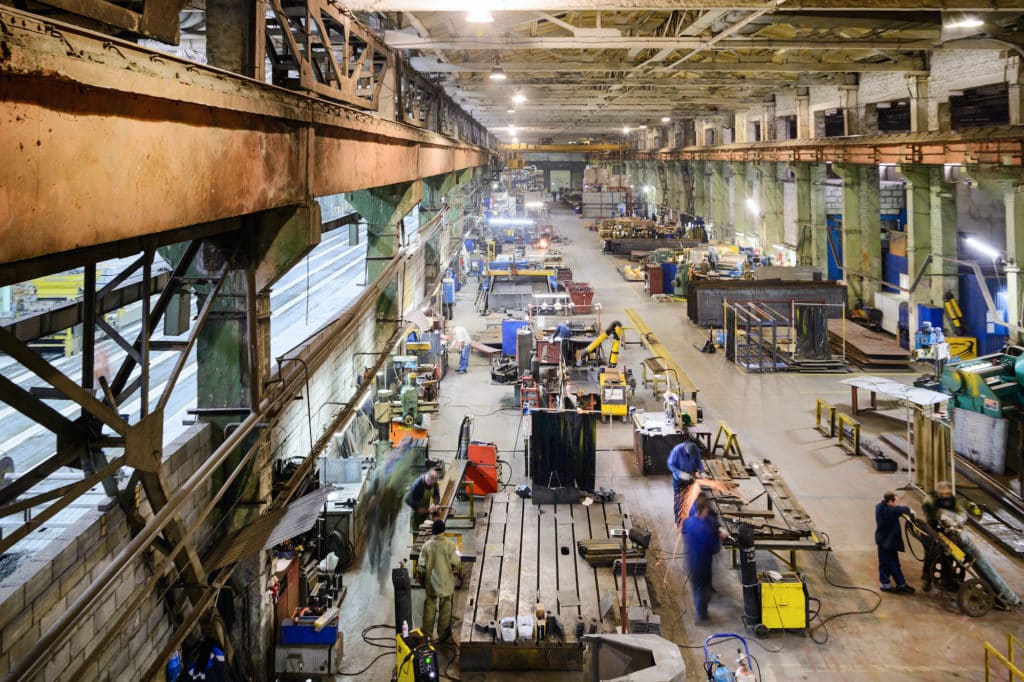
Mechanical workshops are busy environments where vehicles move in and out constantly, hoists raise and lower cars, and technicians work at ground level around moving vehicles and equipment. Customers often enter the workshop area too, adding untrained members of the public to a space full of vehicle movement and mechanical hazards.
Verge Safety Barriers works with mechanical workshops and automotive service businesses across Australia to put the right physical controls in place. Separating customers and staff from vehicle movement, protecting equipment and infrastructure, and helping workshop operators meet their WHS obligations in a compact, high-activity environment.
A mechanical workshop concentrates vehicle movement, mechanical hazards, and people into a compact space. Vehicles are driven on and off hoists, reversed into bays, and moved between work areas. Technicians work at ground level, under vehicles, and around equipment, often with their attention on the job rather than on surrounding movement. And customers frequently enter the workshop to discuss their vehicle, bringing untrained members of the public into the hazard zone.
The risk comes from the interaction of these elements in a confined space. A vehicle being reversed into a bay where a technician is working, a customer walking into the path of a moving car, or equipment being struck during a manoeuvre are all everyday scenarios in a busy workshop.
Australian WHS legislation requires workshop operators to control these hazards with effective physical measures. Barriers and bollards define where vehicles move, where customers can and cannot go, and where technicians are protected, providing the separation that keeps a busy workshop safe.
Service bays and hoist areas are where technicians work around raised and moving vehicles. Barriers between bays keep vehicles, equipment, and movement from one bay out of the adjacent work zone, protecting technicians who are focused on the vehicle in front of them.
Customers frequently cross into the workshop area from reception to discuss their vehicle. Barriers and bollards at the boundary between the customer area and the live workshop make the separation clear and physical, keeping untrained members of the public out of the vehicle movement and mechanical hazard zone.
The lanes used to move vehicles in, out, and between bays need clear definition to keep them separated from work and pedestrian areas. Barriers and bollards define the vehicle drive lanes, guiding cars along the correct path and keeping vehicle movement separated from the areas where staff and customers are on foot.
Workshop equipment, including diagnostic gear, compressors, and tooling, represents significant investment and presents hazards if struck. Bollards and barriers protect this equipment from vehicle contact, preventing damage and keeping the equipment area safe.
Parts storage and racking are vulnerable to vehicle and trolley contact in the tight confines of a workshop. Rack protection and bollards protect storage from impact, reduce the risk of a collapse, and keep the parts area safe for staff accessing stock.
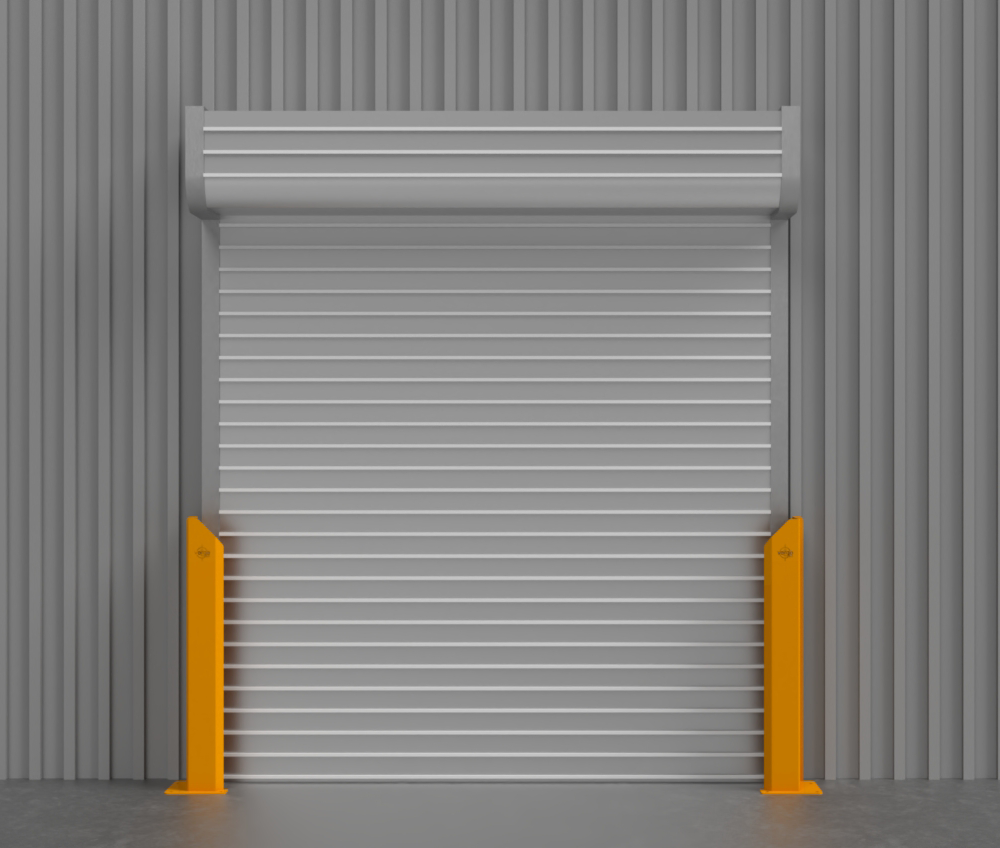
The workshop entry and forecourt is where vehicles enter and exit, often with customers and staff on foot nearby. Bollards protect the building structure and door frames, and barriers define safe zones that separate entering vehicle movement from people at the workshop threshold.
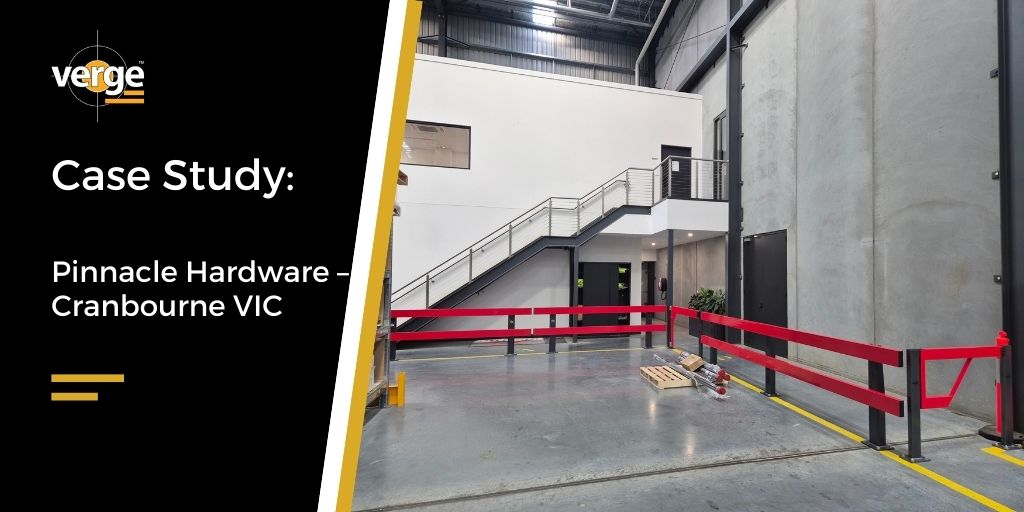
Pinnacle Hardware’s warehouse had a pedestrian walkway running through a busy pick-and-pack area, with no physical separation between foot traffic and forklifts causing congestion and near-miss risks. Verge conducted a detailed site audit and developed a traffic management strategy using HD Barrier in high-forklift zones, Eco-Rail for pedestrian guidance in lower-risk areas, and self-closing pedestrian gates at controlled crossing points. All components were powder-coated in Pinnacle’s brand colours. The completed project delivered full vehicle-pedestrian segregation with a branded, professional finish across the facility.
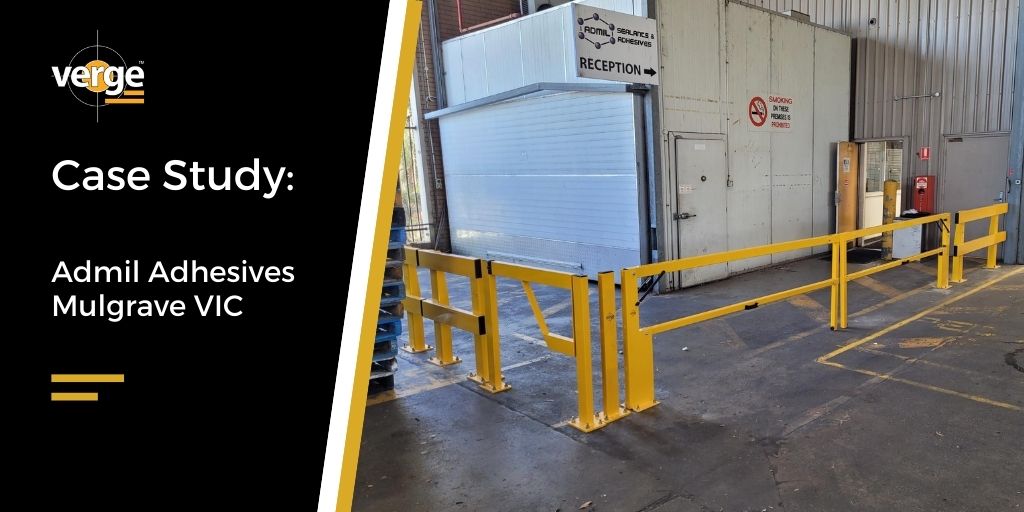
Admil Adhesives undertook a site safety upgrade as their production floor team grew and painted line demarcation was no longer considered an acceptable means of separation. The safety team selected the Australian-made HD Barrier as their chosen barrier system, and Verge completed the comprehensive upgrade across the Mulgrave facility to provide physical pedestrian segregation and forklift traffic management.
Every Verge product is manufactured at our Glendenning, NSW facility, meaning faster delivery, local technical support, and products designed specifically for Australian compliance requirements.
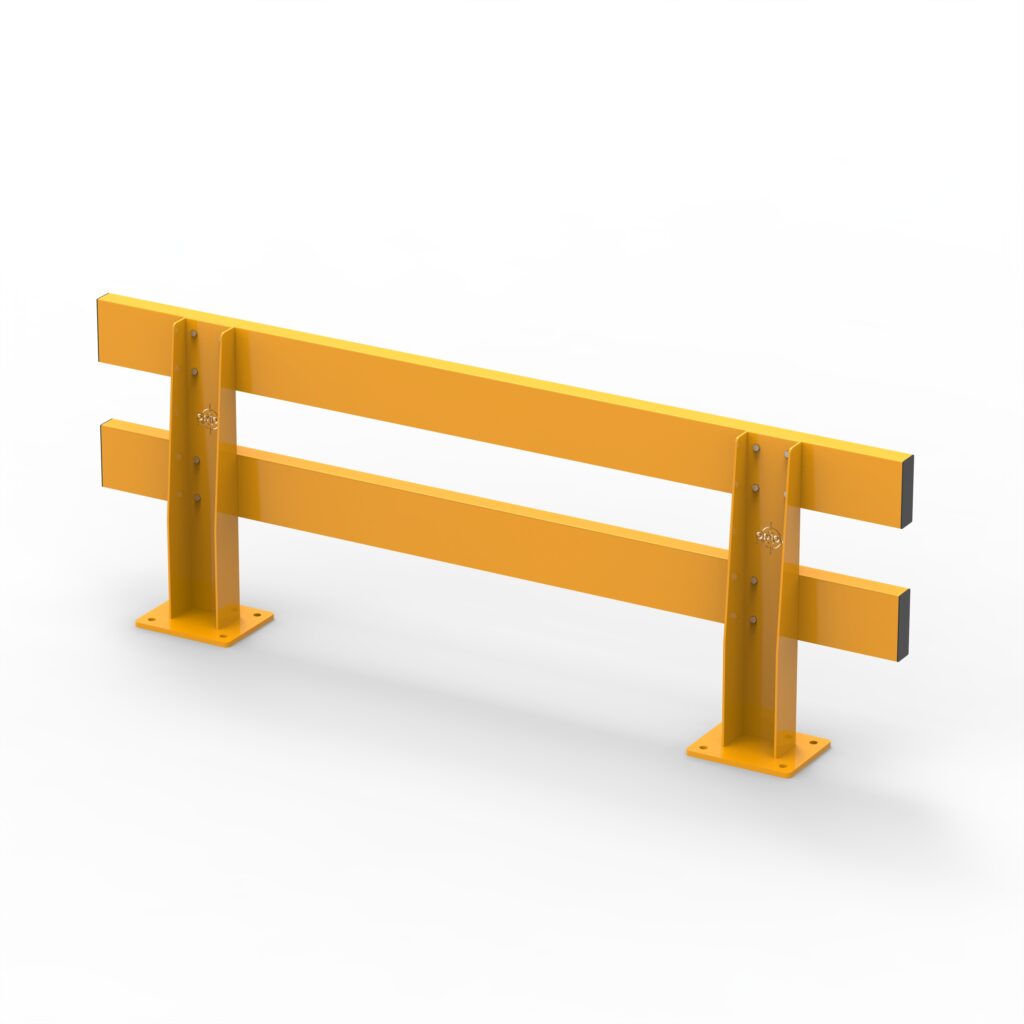
Mechanical workshops deal with constant vehicle movement in tight spaces. Verge barriers and bollards are engineered to handle repeated low-speed vehicle contact without failing, exactly the kind of wear a busy workshop produces day after day.
Verge products are designed to meet Australian Work Health and Safety standards. Installing physical separation between customers and the workshop is one of the most documentable hazard controls you can put in place, and one WorkSafe inspectors look for.
A mechanical workshop is one of the few workplaces where untrained members of the public regularly enter a live vehicle servicing area. Barriers make the separation obvious, reduce liability, and give customers confidence the business takes safety seriously.
Every workshop has a different layout, bay setup, and customer flow. Whether you need to separate service bays, define vehicle lanes, or keep customers clear of the work area, Verge can help you find the right solution.
Contact us today for a free site assessment and quote.
*Applies to online orders only. *Cannot be used in conjunction with any other offer **Must purchase within 3 months of receiving the voucher ***Minimum order $1000
"*" indicates required fields
If you need assistance with selecting a product, would like a quote or want to ask a question please call our friendly team on 1800 765 539