

Within the industrial, warehousing and logistics environments, doorways represent one of the most exposed and frequently impacted structural elements. Despite this, they are often overlooked in risk assessments and control implementation.
Door frames, jambs and access points are subject to repeated interaction with mobile plant including forklifts, pallet jacks and delivery vehicles. The consequence is not merely cosmetic damage, it is a progressive degradation of structural integrity, operational efficiency and safety performance.
The introduction of polymer door protection systems is not a discretionary upgrade. It is a reasonably practicable control measure aligned with obligations under the Work Health and Safety Act 2011 (Cth), requiring Persons Conducting a Business or Undertaking (PCBUs) to eliminate or minimise risk so far as is reasonably practicable.
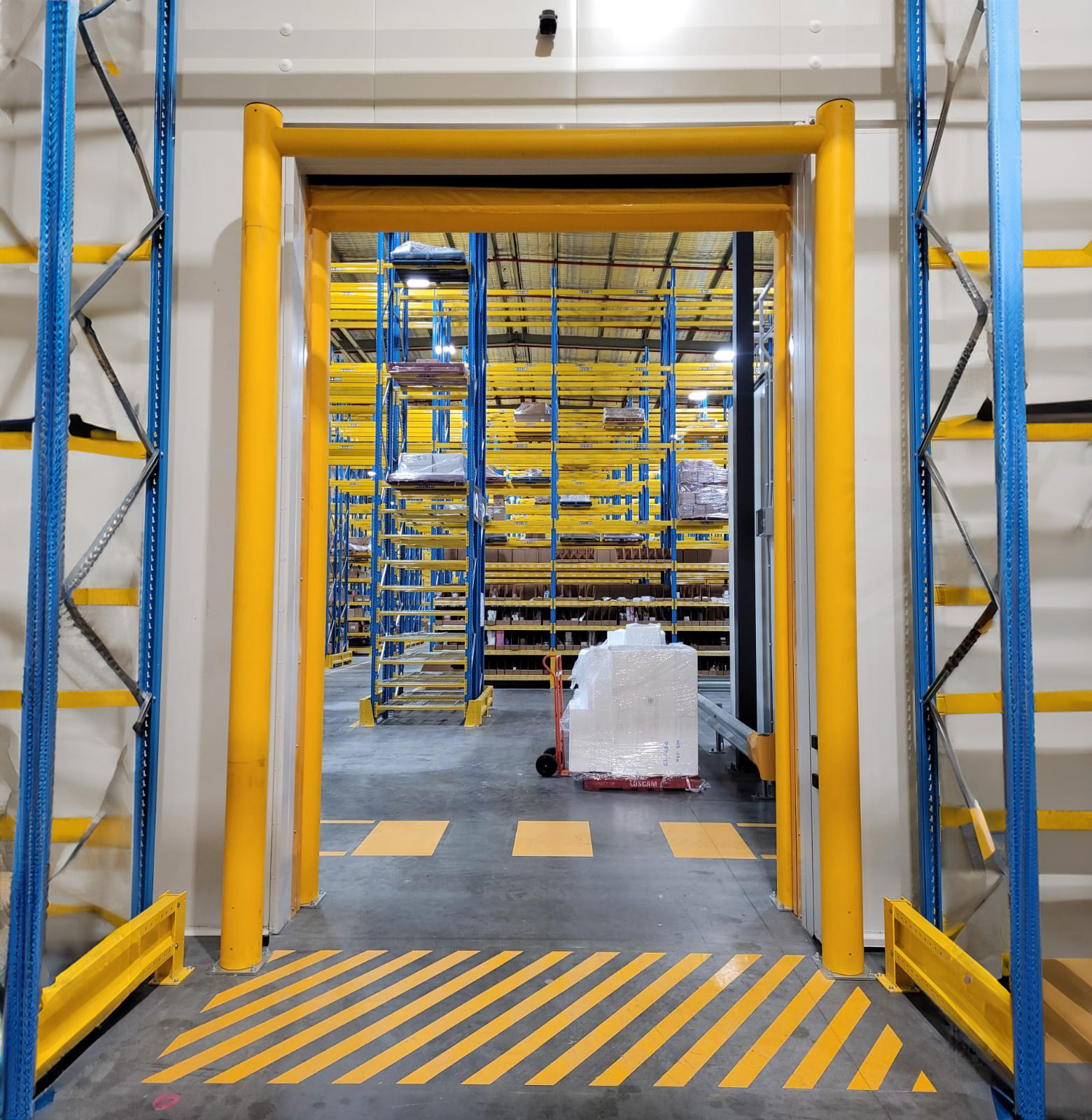
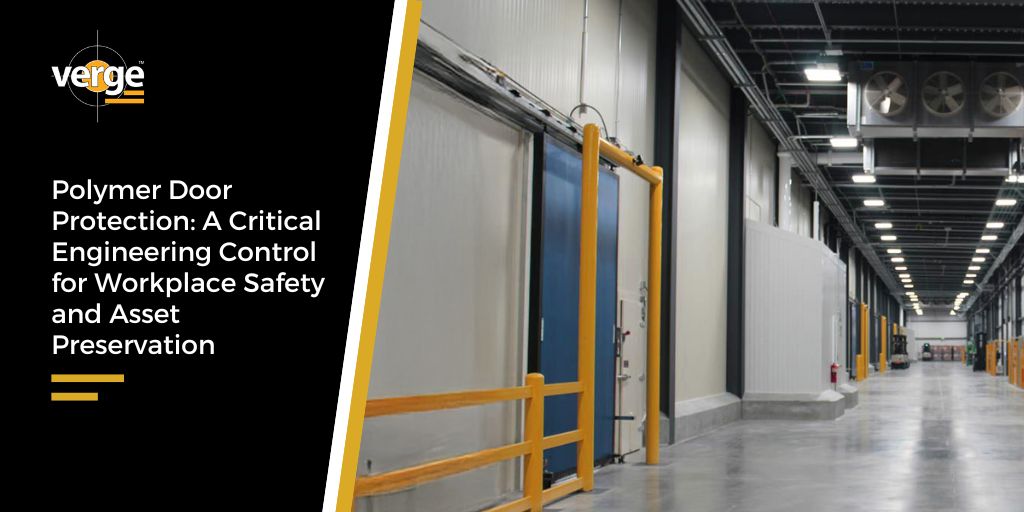
Polymer door protection systems are engineered impact-resistant barriers installed around door frames, loading bays and access points to prevent damage caused by vehicle or equipment collision.
Unlike traditional steel or rigid protection systems, polymer-based solutions are designed to:
Polymer materials consist of dense molecular structures that enable them to deform under stress and recover without permanent damage.
These systems are commonly manufactured from high-performance plastics such as: High-Density Polyethylene (HDPE)’ Polypropylene or Advanced engineered polymers.
Their application extends across warehouses, distribution centres, food-grade facilities, manufacturing plants and cold storage environments
Doorways are convergence points where, pedestrians intersect with mobile plant, visibility is often restricted, traffic flow intensifies and were time pressure influences behaviour.
Repeated low-impact collisions are often normalised within operations. However, the cumulative effect presents significant risk such as structural misalignment of doors, failure of automated systems, air leakage, environmental control issues and Increased likelihood of sudden mechanical failure
Even minor impacts can result in significant operational disruption and safety hazards, including the risk of injury from malfunctioning doors. From a legal perspective, failure to control these foreseeable risks may expose duty holders to regulatory enforcement action, improvement or prohibition notices, civil liability claims and increased insurance exposure.
Traditional steel barriers transfer impact force directly into the structure, the vehicle and operator. This force transfer can result in concrete floor damage, equipment damage and increased injury risk. Polymer systems by contrast absorb impact energy, reduce force transmission and protect surrounding infrastructure
This fundamental difference directly supports the hierarchy of controls, prioritising engineering solutions that reduce risk at the source.
Steel systems bend or deform permanently, require replacement after impact and contribute to ongoing maintenance cycles. While Polymer systems return to original shape after impact, maintain functionality over repeated collisions and reduce replacement frequency. This resilience ensures that the control measure remains effective over time, a key requirement under WHS legislation.
Polymer door protection contributes to reduced injury risk to operators, lower likelihood of secondary incidents and improved traffic control and delineation. By clearly defining access points and absorbing collision forces, these systems create a safer interaction zone between people and plant.
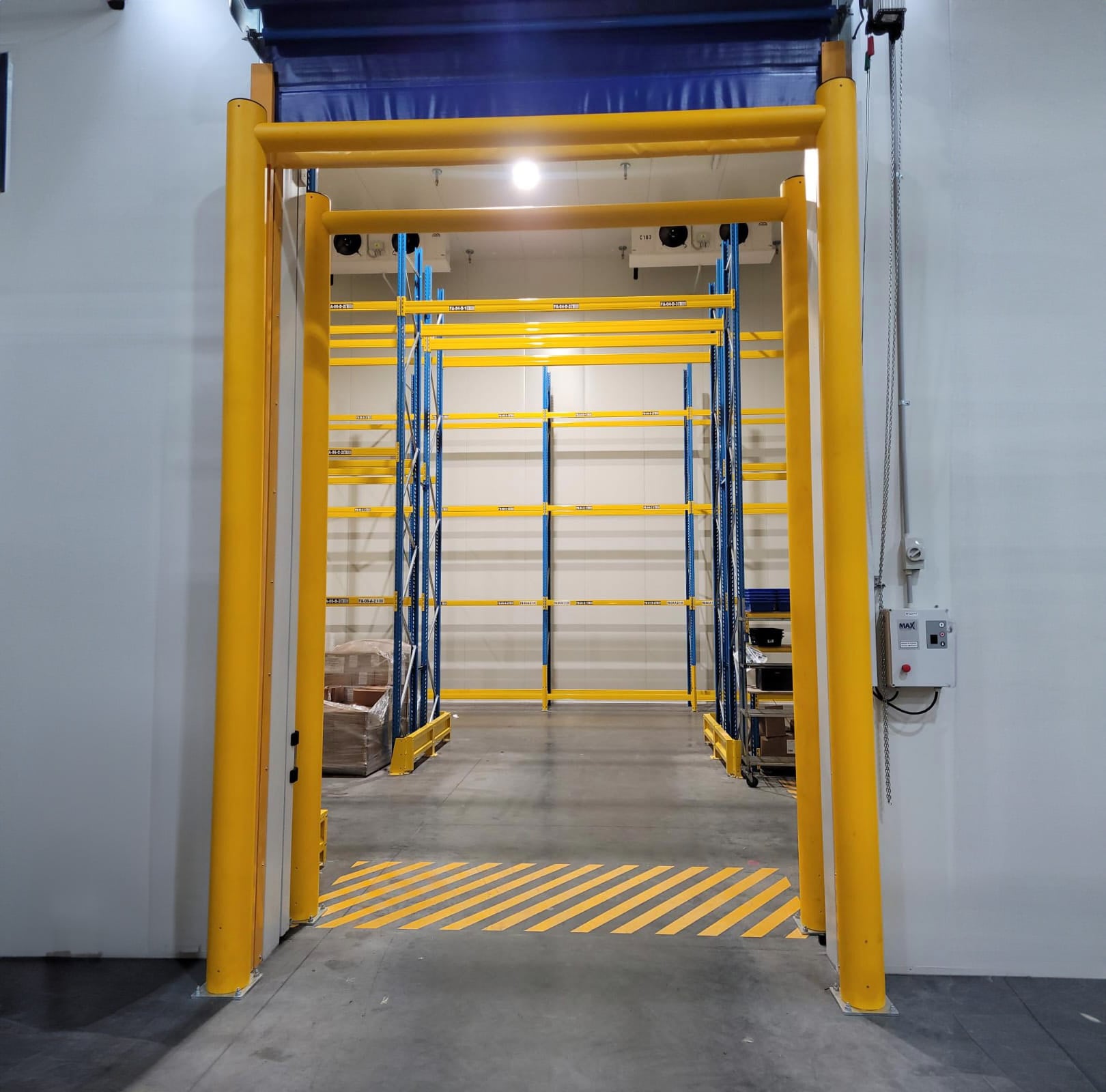
The implementation of polymer door protection aligns directly with legislative obligations, including:
Under the Work Health and Safety Act 2011 (Cth), PCBUs must:
Polymer door protection satisfies these duties by addressing a known and foreseeable hazard.
Engineering controls rank above administrative controls and PPE. Polymer door protection eliminates or minimises risk at the source, reduces reliance on human behaviour and provides consistent, passive protection. This aligns with best-practice risk management principles.
Officers must exercise due diligence by ensuring appropriate resources are allocated, risk control measures are implemented, and systems are monitored and reviewed. Failure to implement readily available engineering controls such as polymer protection may be interpreted as a failure to exercise due diligence.
The financial argument for polymer door protection is compelling. Without protection cost to door repairs, operational downtime, emergency maintenance and insurance claims. With polymer protection reduced repair frequency, lower maintenance costs and extended asset lifespan
‘Polymer systems provide long-term cost efficiency, despite higher initial investment.’
Damaged doors can result in production delays, supply chain disruption and environmental control loss. Polymer protection mitigates these risks by preventing damage before it occurs.
Unlike steel, polymer materials do not rust or corrode, do not chip or flake and are easy to clean. This is particularly critical in: Food manufacturing, Pharmaceutical environments and Hygiene-sensitive operations.
Polymer door protection is not industry specific. Its application is relevant wherever mobile plant interacts with infrastructure. Key sectors include warehousing and logistics, manufacturing, food and beverage processing, cold storage facilities and retail distribution centres.
In high-traffic environments, these systems are increasingly considered standard safety infrastructure, not optional enhancements.
To achieve effective outcomes, implementation must be systematic and evidence based.
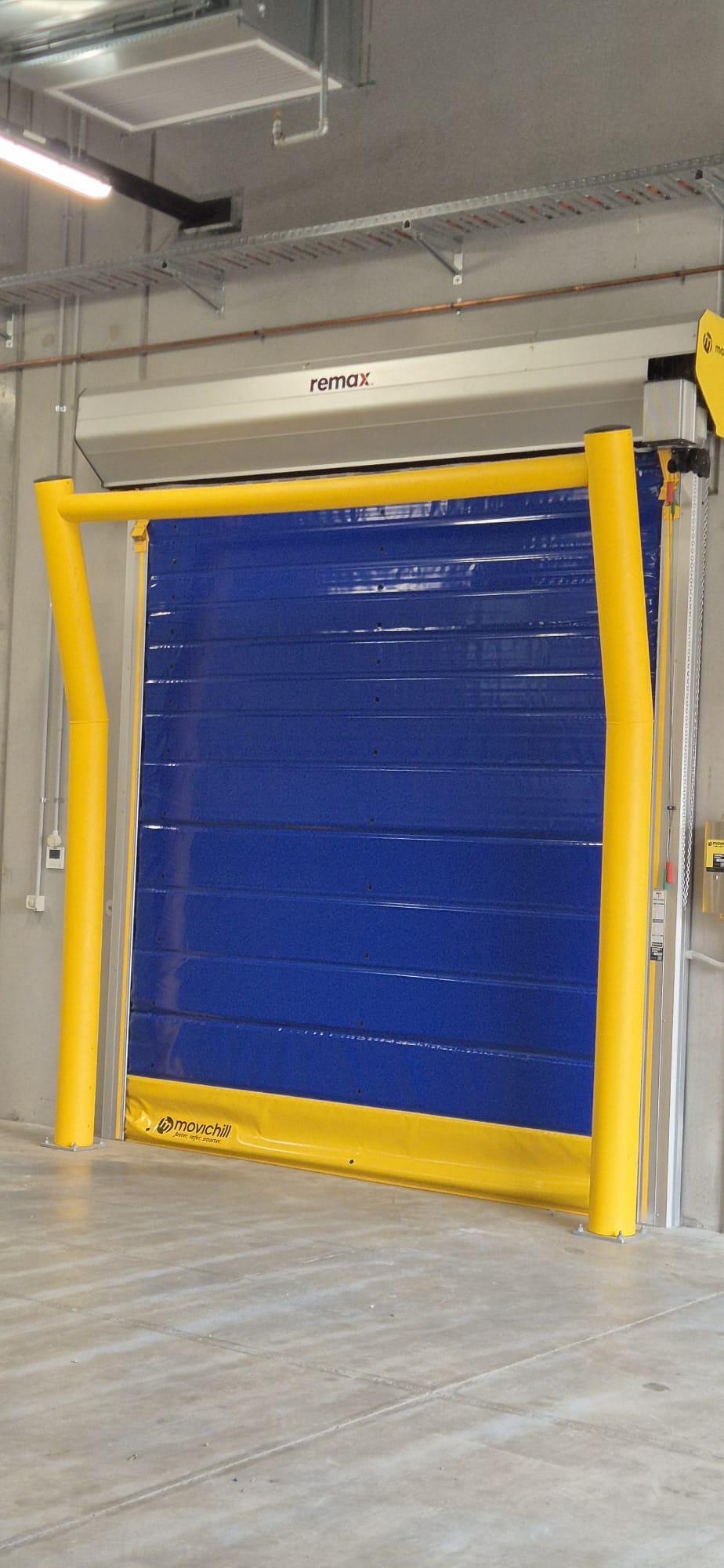
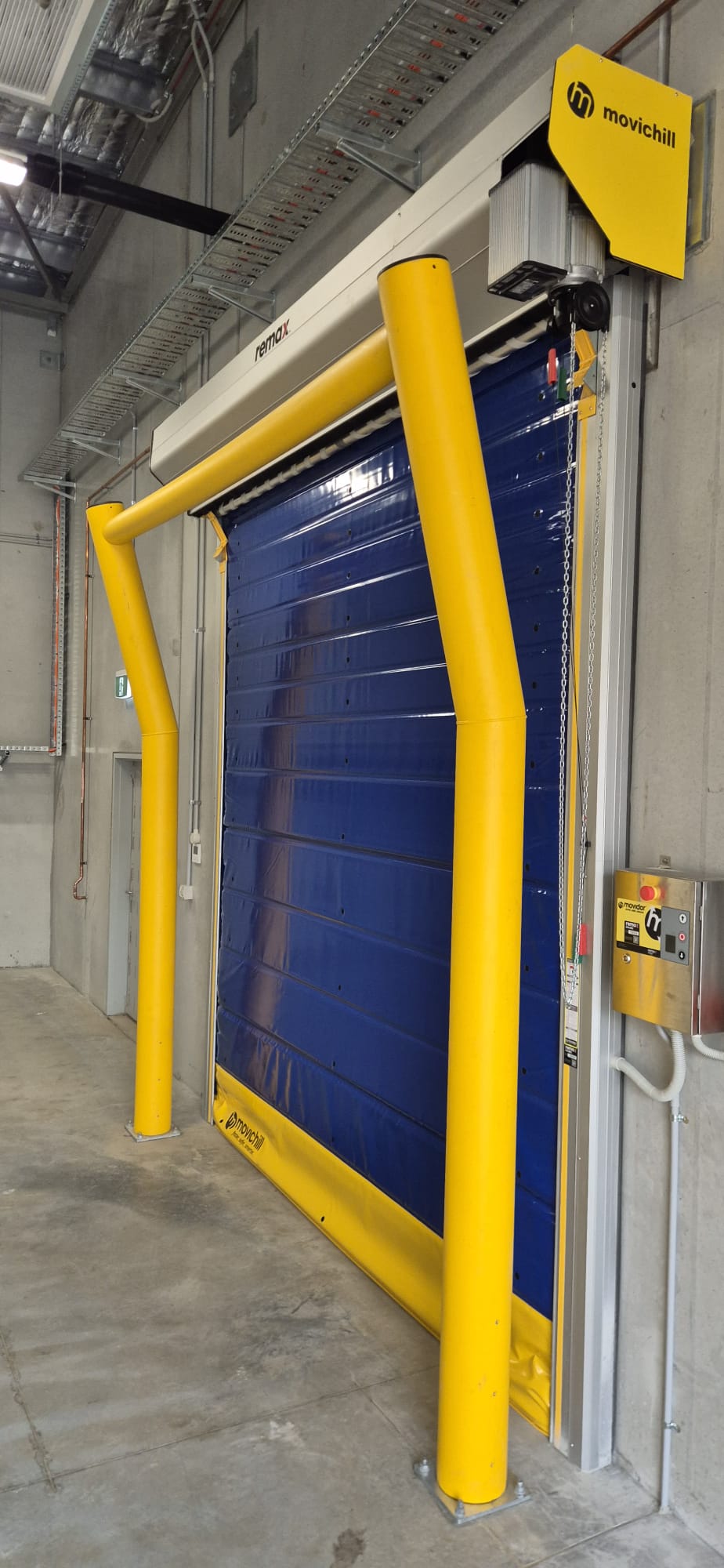
In reviewing multiple workplaces, recurring failures include reactive rather than proactive implementation, over-reliance on administrative controls, failure to recognise cumulative damage risks and selection of inadequate or non-engineered solutions. These failures expose organisations to avoidable risk and liability.
Polymer door protection delivers more than compliance. It demonstrates leadership commitment to safety, investment in sustainable infrastructure and proactive risk management.
Visible, well-maintained protection systems send a clear message:
‘Safety is not an afterthought – it is embedded in operations.’
Polymer door protection is no longer an emerging solution. It is an established, evidence-based engineering control that addresses a well-known workplace hazard. Failure to implement such controls where risks are identified may be difficult to justify under regulatory scrutiny.
The question is no longer: ‘Can we afford to install polymer door protection?’
The question is: ‘Can we justify not installing it?’